
1. The Adaptive Comfort Food
Bread is one of the oldest foods known to humanity, acting as the ultimate comfort and survival food called Soul Food. Scripturally, it adapts to every season of human life—serving the good, the hurting, and the desperate alike. We see its versatile role throughout scripture:
- As a Father’s Care: In Luke 11:11, Jesus highlights bread as the standard baseline of a father’s provision, contrasting it with a stone.
- As Restoration: In 2 Samuel 9:7, King David uses bread to restore Mephibosheth, inviting him to eat at the royal table forever.
- As Sustenance in Dark Places: In Jeremiah 38:7-13, Jeremiah is kept alive in the dungeon with a daily ration of bread.
- As Sacred Nourishment (Bread of his presence): Even David, in a moment of desperate hunger, partook of the sacred showbread—showing that bread bridges the physical and the spiritual.
- The Crumb of Healing (The Syrophoenician Woman) became the broken body of Christ, which brings wholeness, deliverance, and healing to our minds and bodies. Matthew 15:21–28
Yet, physical bread only satisfies for the “now.” As Jesus pointed out, the children of Israel ate miraculous Manna in the wilderness, but they eventually hungered again. It was a temporary fix for a deeper hunger.
2. The Staff of Bread and the Shift of Focus
In the Old Testament (Leviticus 26:26, Psalm 105:16, Ezekiel 4:16), God refers to bread as a “staff”—the primary support of life. In times of discipline, God would break that staff to redirect Israel’s hearts back to Him.
By the time we get to the New Testament, we see Jesus acting as that ultimate support. In Matthew 15:32, out of sheer compassion, He refuses to send the crowds away fasting after three days, providing loaves so they wouldn’t faint. He was looking out for them more than they were looking out for themselves.
However, human nature often misses the point. In John 6:26, Jesus notes that the crowds sought Him not because they understood the miracle, but simply because they wanted their bellies filled. They missed the reality standing right in front of them: Jesus was their true source of supply for everything.
3. Becoming the Bread of Life
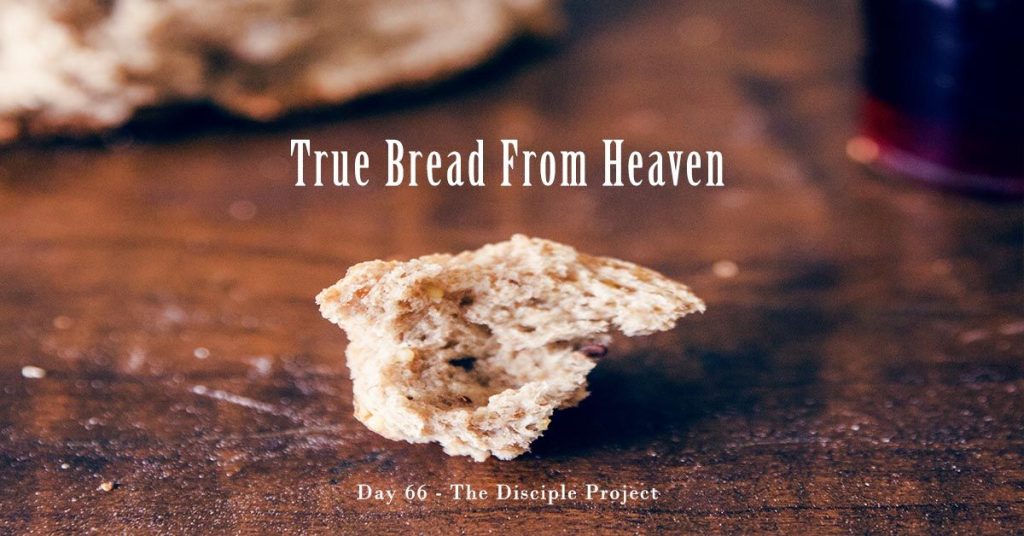
Jesus ultimately shifts our gaze from the temporary bread that perishes to Himself. He declares that He is the Bread of God come down from heaven to give life to the world.
He is the true Bread of Life. When we partake of Him—when we internalize His word, His sacrifice, and His presence—we are no longer just surviving on a temporary staff of bread. We are dwelling in Him, partaking of His nature, and receiving eternal life.
So, in the Old Testament the bread came to us as Manna, as a Father’s Care, a restoration, sustenance in dark place, a sacred nourishment (bread of his presence), the Syrophoenician woman as healing all the form of physical use of bread is summed into the spiritual bread which is the body of Christ used in communion in the New Testament, which is for our soul.
He gave himself, so we could give ourselves.