The Wise saying from Agur – from Above James 3: 17
Proverbs 30, 6
But the wisdom that is from above is first pure, then peaceable, gentle, and easy to be intreated, full of mercy and good fruits, without partiality, and without hypocrisy.”
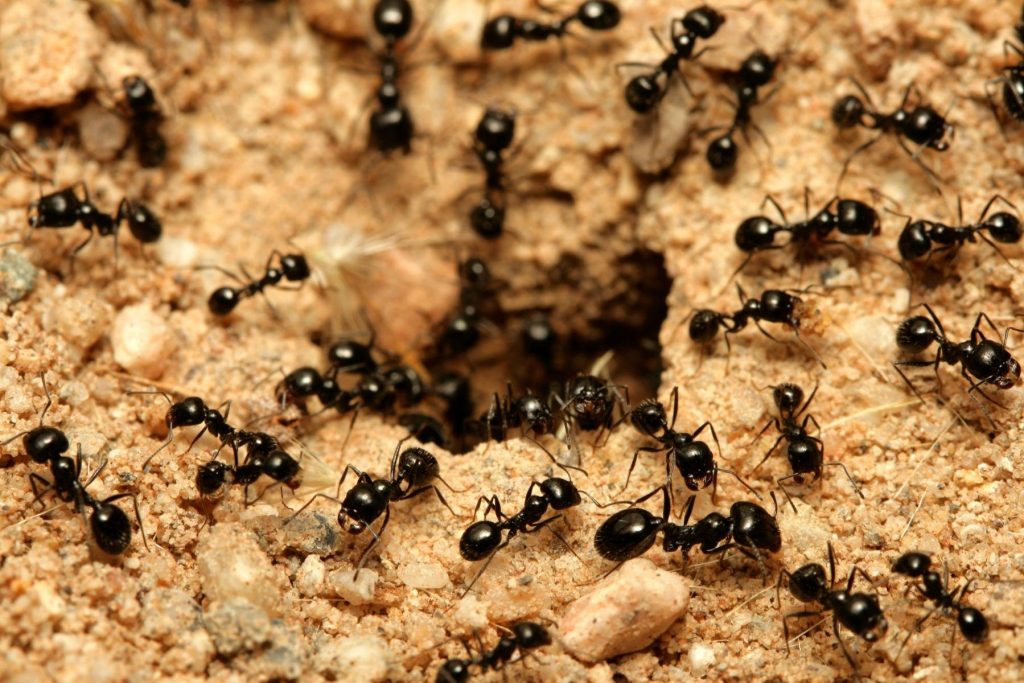
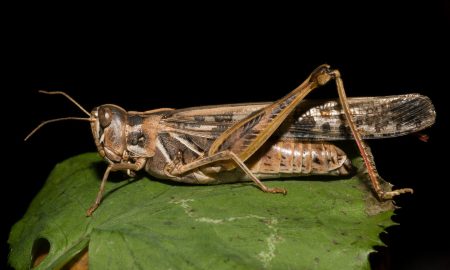
Ants — diligence and preparation “Go to the ant, thou sluggard…” — Proverbs 6:6–8 “The ants are not strong people, yet they prepare their meat in the summer.” — Proverbs 30:25 Lions — boldness and strength “The lion which is strongest among beasts, and turneth not away for any.” — Proverbs 30:30 This verse praises confidence and fearless strength. Badgers / rock hyraxes — wisdom in weakness “The conies are but a feeble folk, yet make they their houses in the rocks.” — Proverbs 30:26 (Modern translations often say “rock badgers” or “hyraxes.”) Locusts — cooperation and order “The locusts have no king, yet go forth all of them by bands.” — Proverbs 30:27
This reflection probably began about a week ago while I was thinking about Agur — not Accra, but Agur from Book of Proverbs 30.
What is interesting about Agur is that he appears near the concluding part of Proverbs, even though Solomon is traditionally associated with most of the book. Agur is introduced as “the son of Jakeh,” yet very little is known about him. We do not fully know his background, his position, or exactly how he related to Solomon, but one thing is obvious: he carried wisdom.
And perhaps that is why his words remained preserved in Scripture.
One day while coming back from work, I looked out through a window and suddenly human beings looked like ants to me. It was a strange moment, but it immediately brought the book of Proverbs into my mind.
Consider the Ant
In Book of Proverbs 6:6–11, Scripture says:
“Go to the ant, thou sluggard; consider her ways, and be wise.”
The passage explains that ants have:
no master,
no overseer,
no ruler,
yet they prepare diligently and gather their food in season.
Then again in Proverbs 30:25, Agur says:
“The ants are a people not strong, yet they prepare their meat in the summer.”
That phrase stayed with me: they prepare.
Ants are tiny creatures, but they possess wisdom, structure, and diligence. They function collectively without constant visible rulership. If you study ants closely, you realize how extraordinary they really are.
Now, I will not pretend that I fully understand every insight I had that day, and honestly, some knowledge should be handled carefully because wisdom without character can easily become dangerous. Knowledge in the wrong hands can be used wickedly. So I share these thoughts cautiously.
Solomon, Kingdoms, and Multitudes
What also came to mind was Solomon himself.
Solomon ruled not just a single people, but a vast kingdom connected to many nations. Through alliances, trade, foreign relationships, and marriages, he governed enormous populations and multiple cultures. He understood administration, order, diplomacy, and the complexity of human society.
So when Agur writes about ants and locusts, it almost feels like wisdom connected not only to nature, but also to governance and human systems.
Large populations begin to resemble colonies.
When nations become massive, it becomes increasingly difficult for any one ruler to truly oversee everything happening within them. The larger the population, the more decentralized reality becomes.
That is one of the hidden observations within the imagery of ants.
The Wisdom of Ants
Ants exist in enormous numbers and scattered colonies, yet they maintain coordination and survival through structured cooperation.
They do not appear to rely on one visible ruler directing every movement. Instead, they operate through collective order, instinct, preparation, and division of labor.
This becomes interesting when thinking about large nations.
Countries with enormous populations often struggle with centralized control because no single authority can realistically oversee every detail of society. As populations increase, people naturally organize themselves into groups, systems, tribes, communities, industries, and networks.
In many ways, large societies survive through structured cooperation more than direct control.
The Locusts and Unified Movement
Agur also mentions locusts in Proverbs 30:27:
“The locusts have no king yet go they forth all of them by bands.”
That is another fascinating image.
Like ants, locusts move collectively. But unlike scattered ant colonies, locusts often move in highly unified formations.
This made me think about different kinds of nations and societies.
Some nations are highly diverse, containing many ethnic groups, languages, tribes, and cultures operating in structured but separate systems.
Others appear more unified and coordinated in collective movement and national direction.
The distinction is not necessarily about superiority, but about different forms of organization and cooperation.
Ants represent distributed structure. Locusts represent unified movement.
Both survive through cooperation.
Wisdom Hidden in Creation
One thing Scripture constantly reveals is that creation itself teaches wisdom.
Agur observed tiny creatures and drew profound lessons from them:
preparation,
diligence,
cooperation,
structure,
survival,
and order.
Sometimes wisdom is hidden in things people overlook.
A colony of ants may seem insignificant until you observe how efficiently they build, gather, organize, and sustain themselves. The same applies to locusts moving in disciplined bands.
These are not merely random observations about insects. They become reflections on human behavior, leadership, society, and even nations.
The Challenge of Governing Large Nations
The larger a nation becomes, the harder it becomes to govern every part of it directly.
Massive populations naturally create:
subgroups,
alliances,
networks,
local systems,
and decentralized forms of order.
This is why cooperation becomes essential for survival in large societies.
Without shared discipline and preparation, large populations become unstable.
Perhaps this is part of the wisdom Agur wanted people to see: strength is not always found in size alone, but in structure, preparation, and unity of purpose.
Final Reflection
What fascinates me most is that Agur looked at the smallest creatures and found lessons for human civilization.
Ants teach diligence and preparation. Locusts teach coordinated movement. Both teach survival through cooperation.
And maybe that is why wisdom literature remains timeless.
So, I want to use time to look for trouble from the Romans (Joking):
Dog returning to vomit — repeating foolishness (Clears throat) “As a dog returneth to his vomit, so a fool returneth to his folly.” — Proverbs 26:11
Bear robbed of cubs — dangerous anger (Roman numeral MV who goes about shouting about his pet Called Bear) “Let a bear robbed of her whelps meet a man, rather than a fool in his folly.” — Proverbs 17:12
Ox — productive strength comes with messiness (Roman numerals MM) “Where no oxen are, the crib is clean: but much increase is by the strength of the ox.” — Proverbs 14:4
I will leave the badgers, lions and others for you to discern. Think of it as an assignment.