
Jesus, during his time with the religious leaders, had a few spats with them. By spats, I mean confrontations. However, looking at my last write-up, Matthew 23:37–39 and Luke 13:34–35 both end with Jesus saying the exact same thing to them.
Sin Comparison(s)
Jesus starts in Luke 13 by asking about the Galileans who were killed and whose blood was mingled with sacrifices; he saw that their deaths were not because they were worse sinners than others. He said they should repent or likewise perish. He also spoke about those eighteen people whom the tower of Siloam fell on, noting that they were not sinners above all other people. In other words, whether something good or bad happens to us, we are not sinners above others. He makes the sun rise on the just and the unjust—as it is with the good, so it is with the wicked.
In other words, when comparing sins, they were neither worse nor better, but they simply needed to repent. Sometimes, we think we have sinned far more than can be justified by Jesus. But Jesus shows that some who had not sinned as much faced calamity like the people in Siloam. He calls everyone everywhere, including myself, to repent. It is not about the size of the sin, but our decision to change for the better.
Jesus started by saying we need repentance in order to bear fruit and do the work of God. (By fruit, I mean the fruit of the Spirit in Galatians 5:22–23). He speaks about the fig tree in Luke 13:6–7. Jesus said he would come back in three years seeking fruit from the fig tree, and if he found none, he would cut it down because it cumbered the ground. As in John 15:2, just the way men want profit, Jesus wants fruit. Figs have seasons when they bear fruit, and the vinedresser advised him to give it one more year to bear fruit. (Ironically, figs represent Israel. Furthermore, the first covering Adam had was a fig tree leaf he used to cover himself because he knew the knowledge of good and evil).
Jesus’ Works
Jesus started doing the works of the Father by healing the woman with an infirmity, even on the Sabbath day, which caused the Pharisees to question him. Note that the kingdom of God is within us, and the kingdom of God is righteousness (doing what is right in the sight of God), which brings us peace and joy in the Holy Ghost. Jesus likens the kingdom of God to a mustard seed that appears small but grows big, and he also likens it to leaven hidden in meals. So, the kingdom of God appears to be small and hidden, but it grows big and leavens the whole batch.
Encouragement From Jesus
Jesus encourages us with his words that we should strive to enter through the narrow gate, because narrow is the way that leads to life, and many who seek to enter through it may not be able to (Luke 13:24).
Examples of this:
Jesus, as the Master of the house of God, says that once he shuts the door upon his return, no one will enter (meaning there is no room for repentance anymore). In verse 26, the highlight for me is when he says some will say, “I have eaten and drunk in thy presence,” and he will reply, “Depart from me, ye workers of iniquity.” So, you can eat the bread of his presence and drink the wine to dwell with him, but if your works are in iniquity, it is meaningless. For this reason, the last shall be first, and the first last. The Pharisees, angered by Jesus, came to tell him to get out because Herod would kill him. (If we get to his presence, and we are not changed what good is it, James 1: 23 -24 “For if anyone is a hearer of the word and not a doer, he is like a man observing his natural face in a mirror; for he observes himself, goes away, and immediately forgets what kind of man he was.” When we come to the presence of God, we do see the law because God is perfect and we are changed in his presence.
His response highlighted his works and the perfect work of the Father. He said, and I quote, “Go ye, and tell that fox, Behold, I cast out devils, and I do cures today and tomorrow, and the third day I shall be perfected.” I pray the works of the Father be perfected in us on the third day.
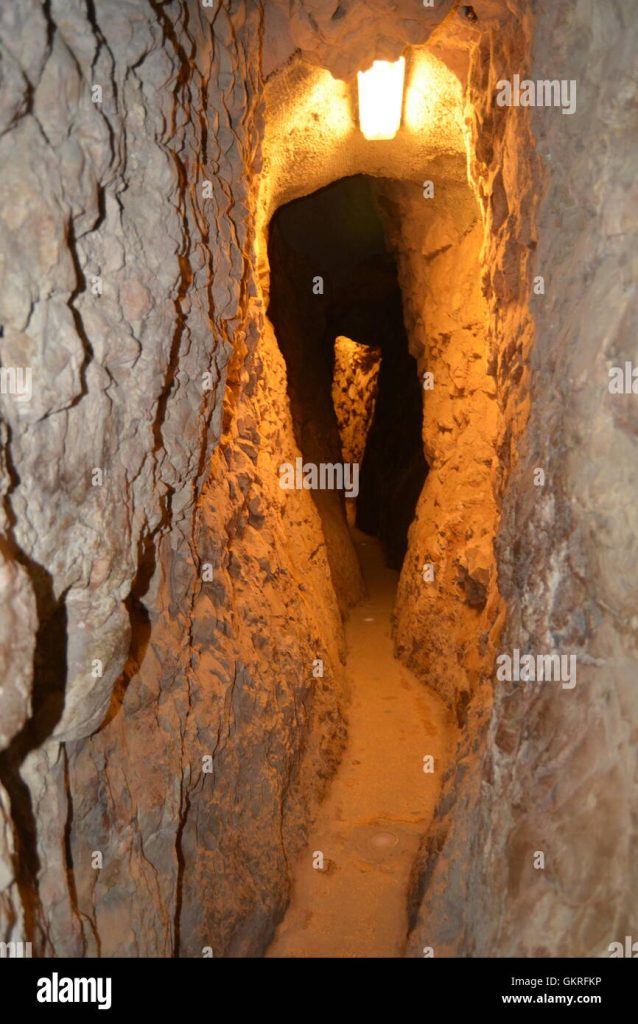
There is a paradox that the actual location of Siloam is very narrow, and some perished there. Indeed, narrow is the way that leads to life.