
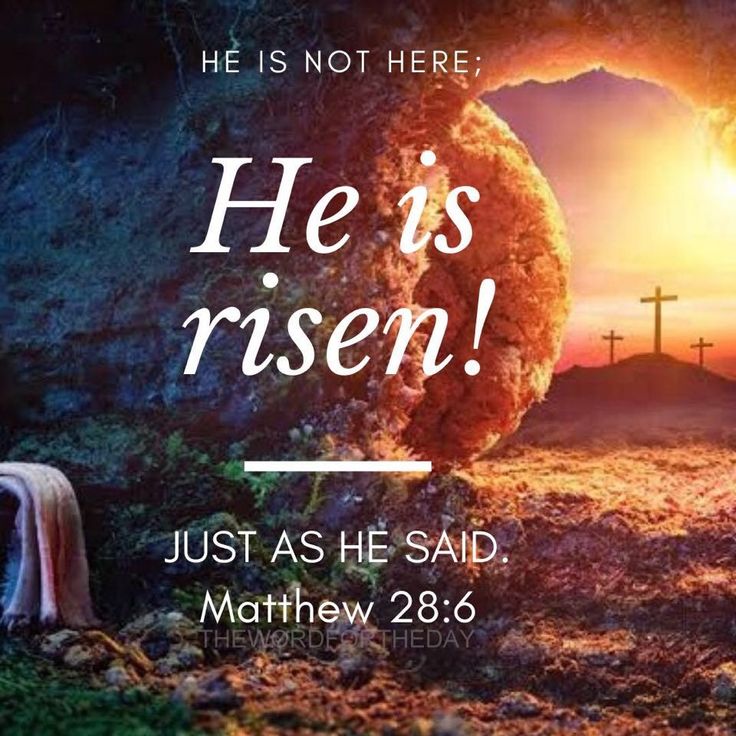
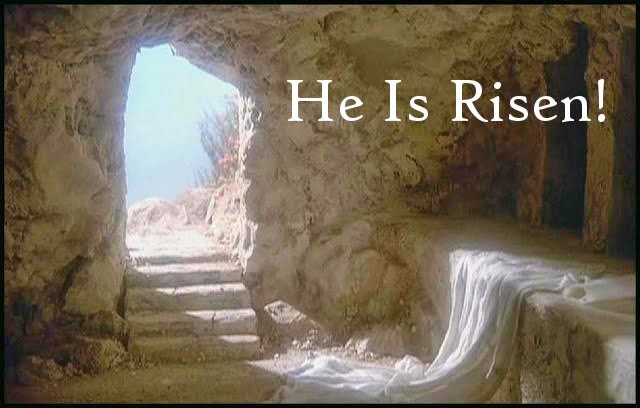
As Easter approaches, I know we will receive many messages, but I thank God that He raised His Son, and on the third day, He is perfected in us.
Luke 13 begins with Jesus addressing people who reported the Galileans to Him. He clarified that one does not have to be the worst of sinners to suffer judgment. He warns that unless we repent, we will all likewise perish, just as the Galileans did.
For me, the number 18 signifies judgment—a day when one is either acquitted or condemned. The number of times 18 appears in this passage is remarkable. Jesus highlights the 18 people upon whom the tower of Siloam fell. It is interesting that while the pool of Siloam brought healing, the tower of Siloam brought destruction. “Siloam” itself means “sent” or “sent forth.” Jesus emphasizes repentance twice in this context (Luke 13:3 and Luke 13:5), first referring to the Galileans and then to the 18 victims of Siloam.
Jesus then gives a parable about a vineyard, where the owner comes seeking fruit over a period of three years. In verse 11, we encounter a woman who had a spirit of infirmity for 18 years. This time, it was not about judgment unto doom; instead, she was loosed from her infirmity because she was a daughter of Abraham (Luke 13:16).
Jesus also speaks to the rulers in the synagogue about this woman, using the moment to illustrate what the kingdom of God is like—something that starts small but grows greatly, as seen in the examples of the mustard seed and the leaven.
He then urges us to strive to enter through the narrow gate. A strait is like a narrow passage, similar to what Moses experienced at the Red Sea (we even have our modern day Strait of Hormuz). The English dictionary describes a strait as “a situation characterized by a specified degree of trouble or difficulty”—truly, a time of Jacob’s trouble, perilous times indeed. Luke says that many will seek to enter and will not be able to. Jesus then explains why:
He says that once the master of the house rises and shuts the door, people will begin to knock, saying, “Lord, Lord, open to us.” But He will reply, “I do not know you.” Those knocking will try to justify themselves by pointing to their works. They will say, “We ate and drank in Your presence,” meaning they experienced God’s presence, and even taught in the streets. Yet Jesus will still reject them. Why? Because they worked iniquity—they were workers of iniquity.
As we await the coming of the Lord, we also look forward to the day when Jerusalem, the city that kills the prophets, will proclaim, “Baruch haba b’shem Adonai”—“Blessed is He who comes in the name of the Lord.”
Remember, Jesus also did works—He cast out demons, performed healings, and on the third day, He was perfected.
Happy Easter in advance. Luke 13:30 says, “And behold, there are last who will be first, and there are first who will be last.” May God help us all.
Baruch haba b’shem Adonai.