
To Save Your Life Is to Lose It
The statement, “Whoever wants to save their life will lose it, but whoever loses their life will keep it,” was made by Jesus in the New Testament, specifically in Gospel of Matthew 16:25.
This teaching is also found in Book of Jeremiah 38, where King Zedekiah of Judah was seeking a word from God. In Jeremiah 37:3, it is stated that Zedekiah was looking for help from Pharaoh’s army to save his nation from the Babylonians. He refused to surrender his nation to the Babylonians, even after receiving a prophecy from Jeremiah that he would lose the city.
This led to Jeremiah being separated from the land of Benjamin. Jeremiah was accused of deserting to the Babylonians, beaten, and imprisoned. Yet, even in prison, the word of God did not change.
King Zedekiah, though he knew God, secretly asked Jeremiah for any new word from the Lord, hoping the prophecy against Judah would change. However, Jeremiah informed Zedekiah that he would still be delivered into the hands of the king of Babylon.
Jeremiah then questioned how he had offended the king or his servants. He stated that he was the king’s servant and asked why he had been put in prison. He also asked what offense he had committed, or what the people of Judah had done to warrant such treatment, resulting in his imprisonment.
After this, Jeremiah was moved from the house of Jonathan to the court of God, where he was given a loaf of bread daily, symbolizing a “bread of life” or salvation. This is illustrated in Jeremiah chapter 38, where Jeremiah’s relocation to the court of God signifies a transition from death to life.
Jeremiah was willing to die, yet he still spoke what God had commanded. He gave up his life so that he could speak the word of God, and God sustained him. Even when the Babylonians besieged Jerusalem, Jeremiah remained in custody, yet he was preserved.
The narrative in Jeremiah 38 highlights that positioning matters. Moving from the house of Jonathan to the court of God signifies a place of sustenance and life.
This also connects to the idea that Jesus is the Bread of Life, and Bethlehem, meaning “house of bread,” is where grace is found in the body of Jesus.
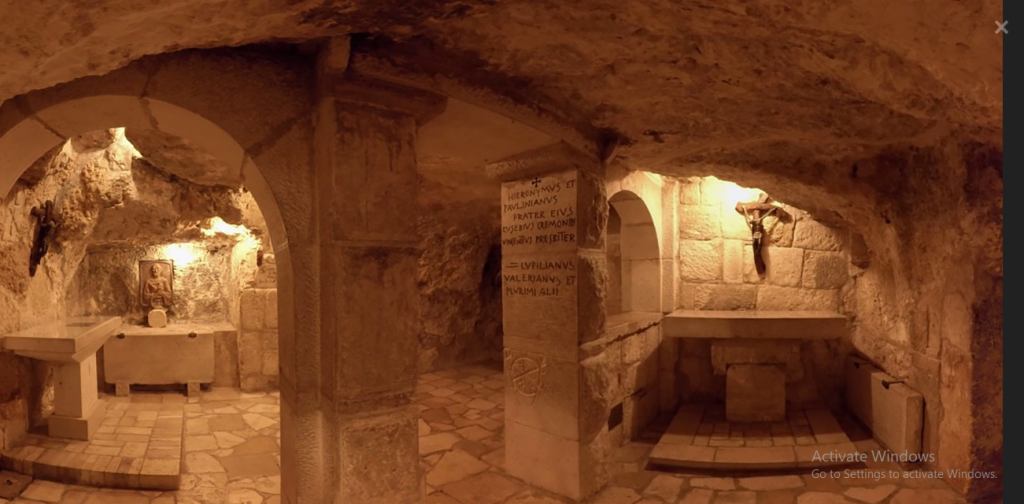
Jeremiah was eventually moved from the house of Jonathan the secretary, where he had been confined, to the court of the guard. There he was given a loaf of bread daily for as long as bread remained in the city. Though surrounded by judgment and famine, God sustained him.
This detail carries deep spiritual significance. While the nation was collapsing, God preserved the prophet who remained faithful to His word. Jeremiah was willing to lose his comfort, reputation, freedom, and even his life in obedience to God. In return, God sustained him in the middle of the siege.
The contrast between Zedekiah and Jeremiah is striking.
Zedekiah clung to self-preservation and lost everything. Jeremiah surrendered himself completely to God and was preserved.
This mirrors the teaching of Jesus centuries later. The person who desperately tries to save their life apart from God ultimately loses it, but the one who yields fully to God finds true life.
There is also a beautiful symbolic connection in Jeremiah receiving bread daily during his confinement. In the New Testament, Jesus declares Himself to be the Bread of Life. Even the name Bethlehem means “house of bread,” pointing believers toward the sustaining life found in Christ.
Jeremiah’s journey from imprisonment to preservation reminds us that positioning matters. Safety is not always found in resistance, human strategy, or control. Sometimes life is found in surrender to the will of God, even when that surrender appears costly.
The prophet was willing to die in order to remain faithful to God’s word, and because of that, God sustained him through the darkest days of Jerusalem’s fall.
In the end, the principle remains the same:
Whoever seeks to save their life will lose it, but whoever loses their life for God’s sake will find it.
if he is how is he choosing who he heals and does not heal (the house of bread, eat of the bread of salvation, I have burned my share of bridges, I have learned to tuck my tail as Jeremiah and run.)